

AVIATION HUBS AND AIRPORTS
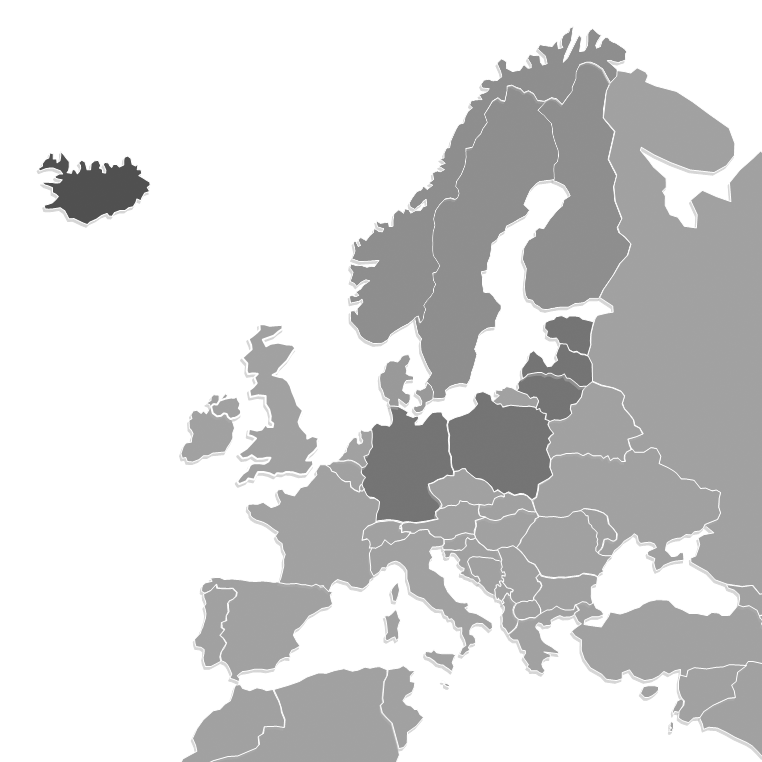
Copenhagen Airport (CPH) – The Leading Nordic Hub
Copenhagen Airport is the largest and most important aviation hub in the Nordic region. With excellent connectivity across Europe, Asia, and North America, CPH functions as the primary transfer gateway for Scandinavia and Northern Europe. Its efficient operations, strong long-haul capacity, and extensive feeder network make it the ideal entry point for airlines looking to build sustainable route growth in the region.
Passenger Volume: ~29.9 million annually
Strategic Strengths:
Largest hub in Scandinavia with extensive European and long‑haul connectivity.
Strong transfer market with high operational efficiency.
Wide catchment area and excellent infrastructure supporting growth.
Oslo Airport (OSL)
Oslo Airport serves as Norway’s main international gateway and one of the fastest-growing airports in Northern Europe. OSL benefits from a strong economy, high business travel demand, and a large outbound leisure market. Its modern infrastructure and capacity for expansion make it a key strategic airport for new long-haul and regional services.
Passenger Volume: ~26.4 million annually
Strategic Strengths:
Norway’s key gateway with strong domestic and international traffic.
Modern terminal design supporting high throughput.
Large and resilient outbound travel market.
Stockholm Arlanda Airport (ARN)
Stockholm Arlanda is Sweden’s primary international airport, offering a large catchment area and strong year-round demand. ARN serves a high-spending population with strong business, governmental, and leisure travel segments. The airport is a major driver of Swedish international connectivity and an important market for premium and long-haul carriers.
Passenger Volume: ~22.7 million annually
Strategic Strengths:
Sweden’s main aviation hub with strong year-round demand.
High share of international travelers.
Helsinki Airport (HEL)
Helsinki Airport is known for its efficiency and excellent transfer capabilities, particularly for Europe–Asia traffic. HEL’s compact layout, advanced digital infrastructure, and strong on-time performance make it a preferred hub for connecting passengers. Finland’s high digital adoption and stable economy further support consistent travel demand.
Passenger Volume: ~16.3 million annually
Strategic Strengths:
Highly efficient transfer airport with global recognition.
Strong historical Asia–Europe positioning.
Advanced digital infrastructure and reliable operations